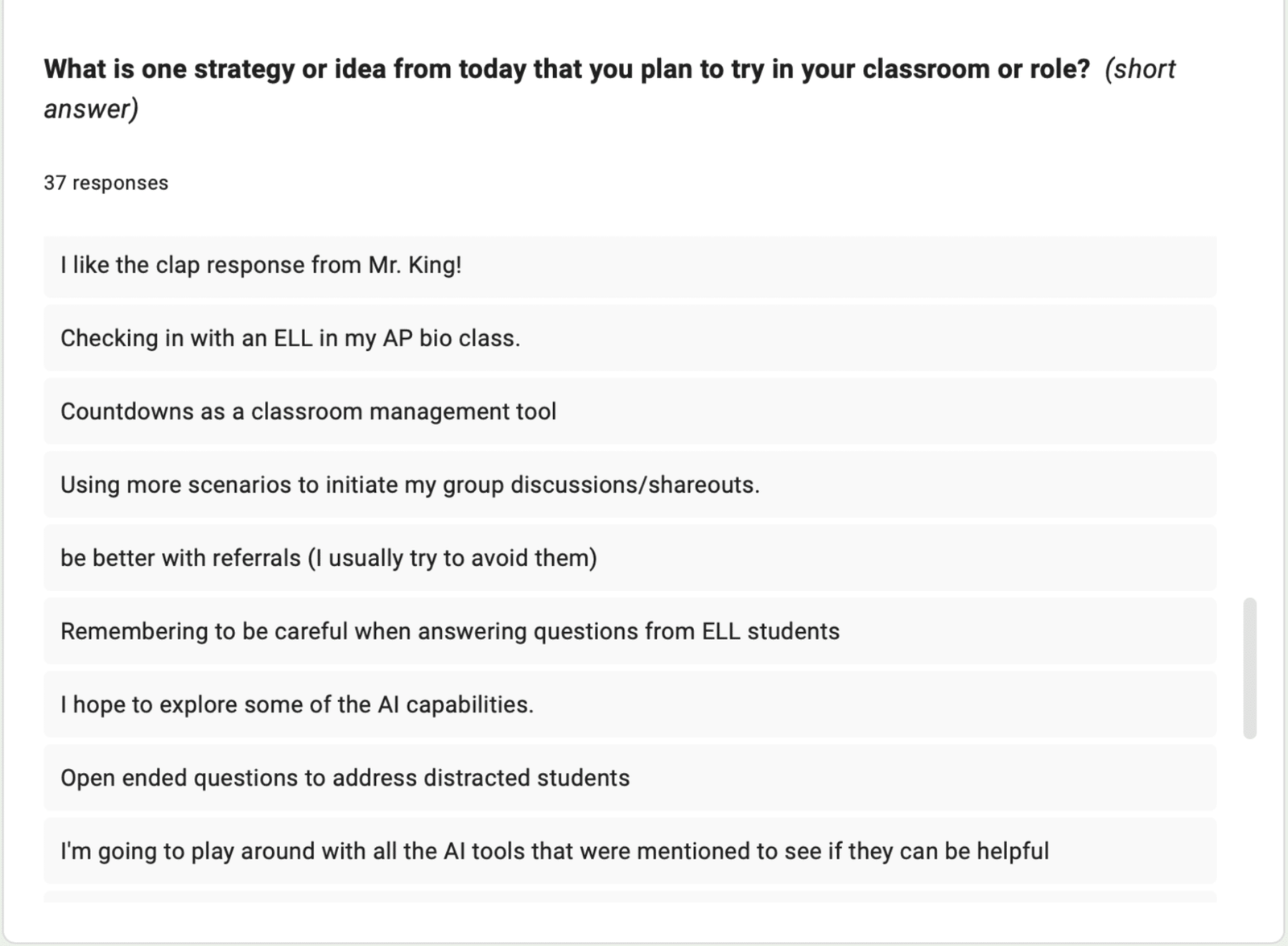
NAME OF ARTIFACT:
Professional Development (October 2025):
From Referral to Restoration: Rethinking Our Response to Student Behavior
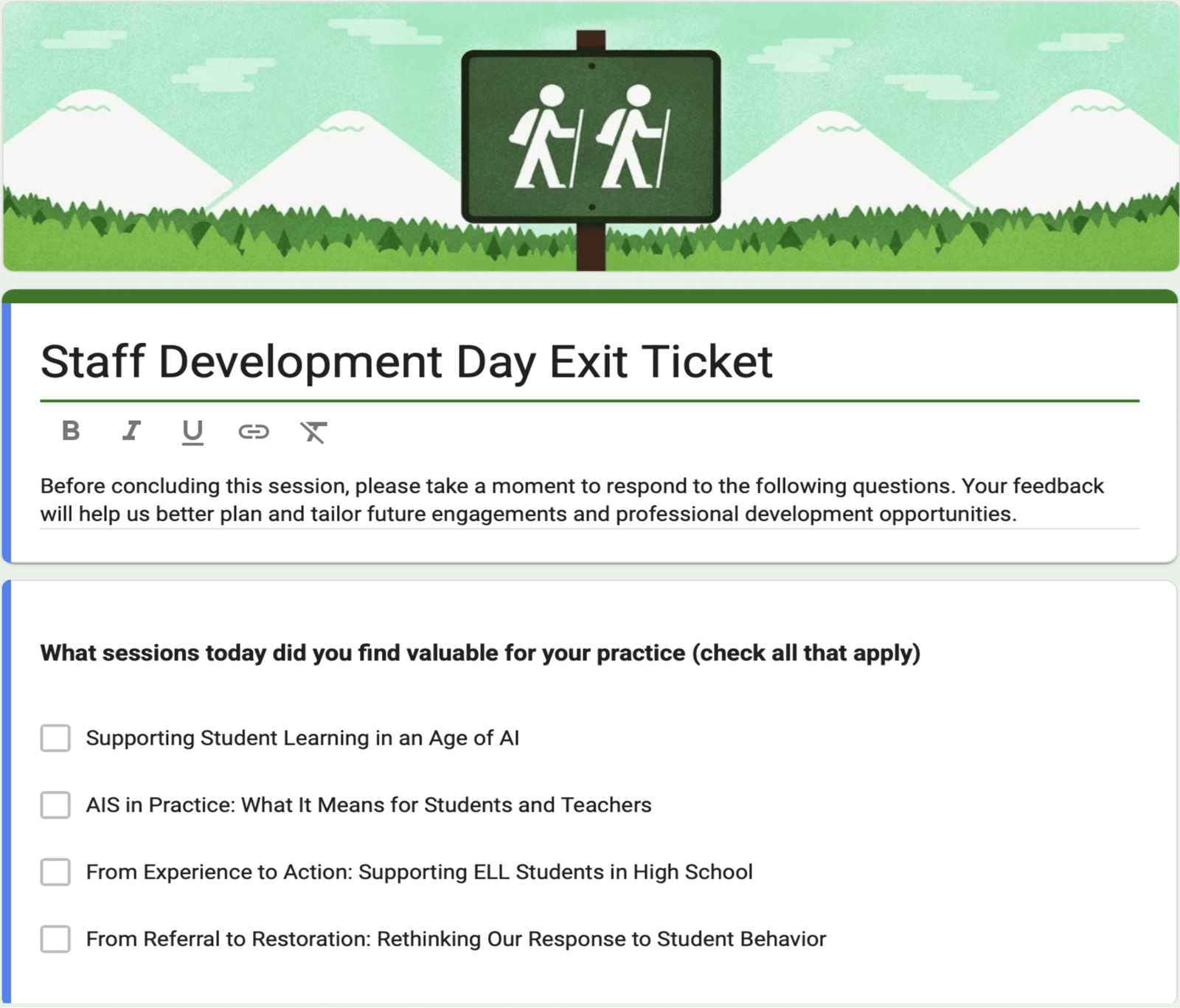
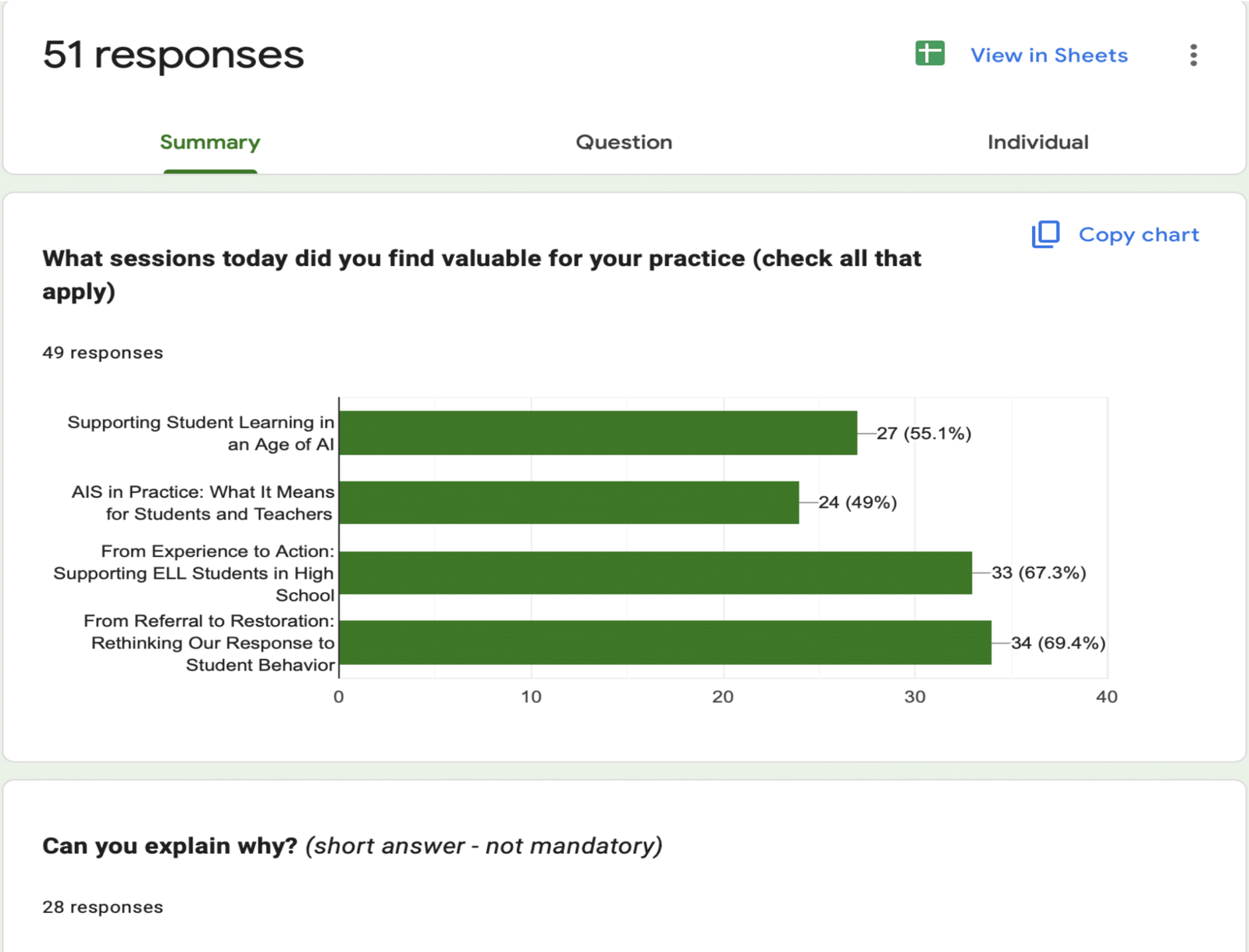
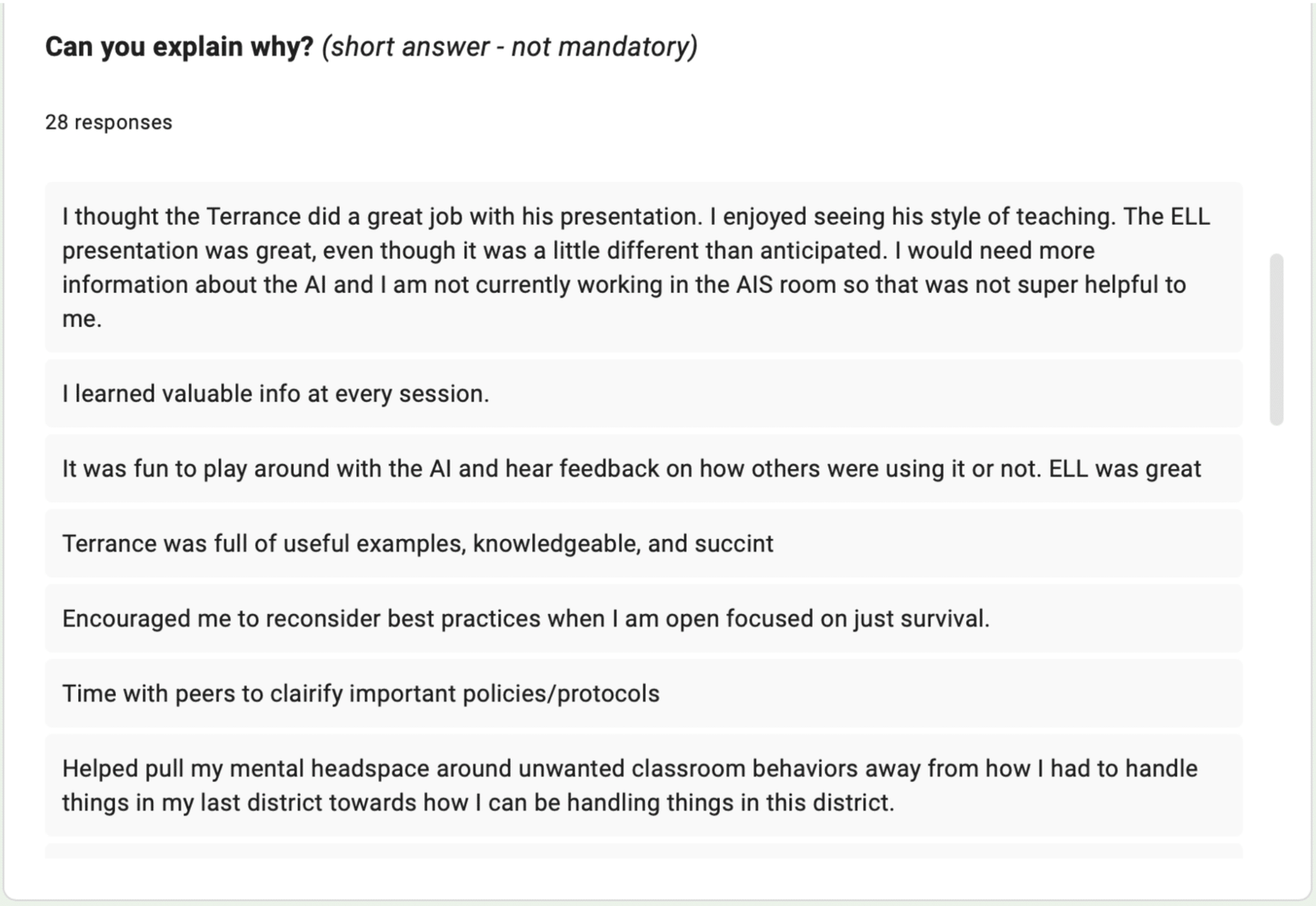
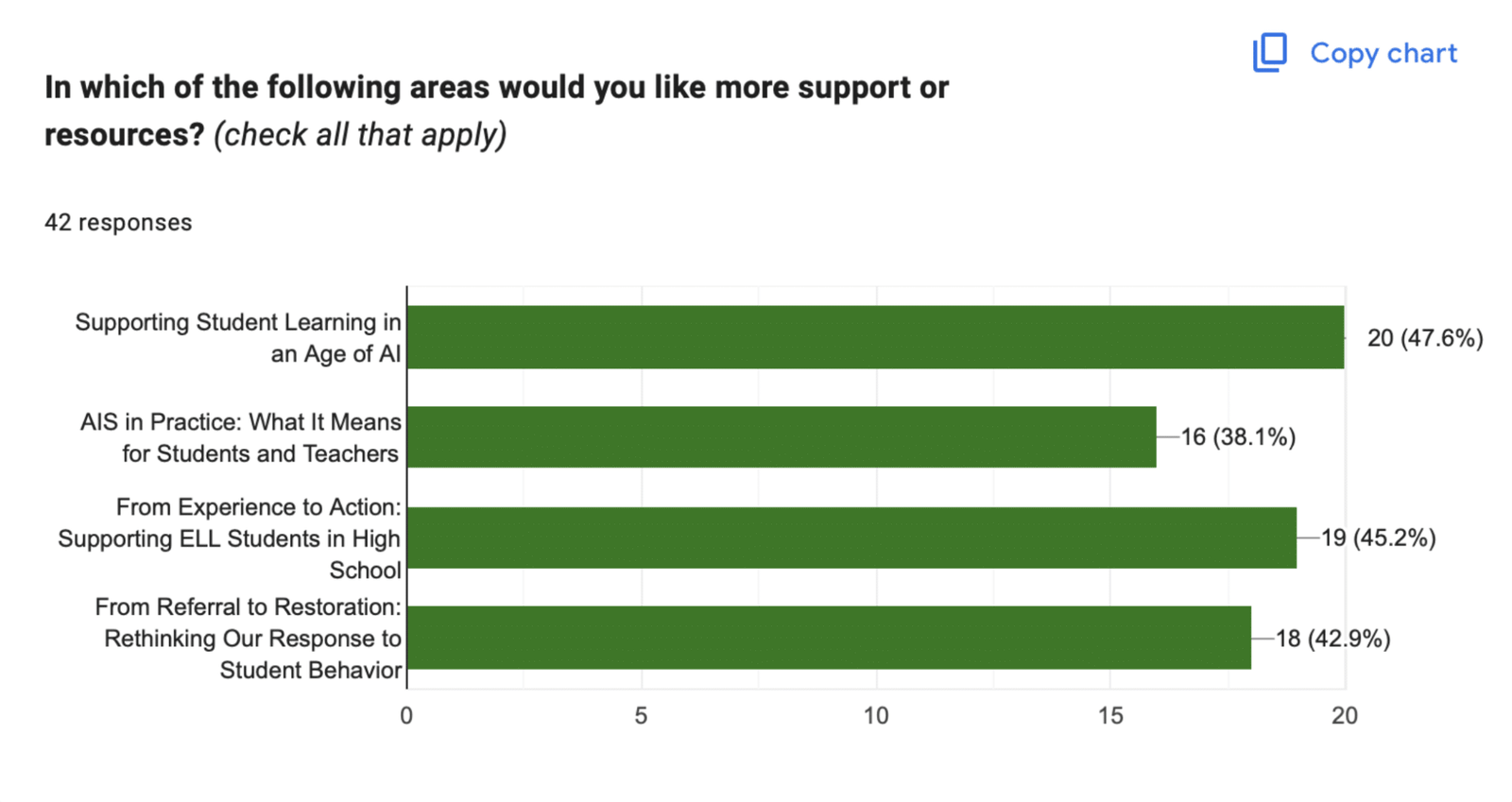
Exit Ticket Results
ARTIFACT DESCRIPTION:
The Exit ticket results are a product of a PD I composed focused on shifting how teachers handle discipline. I wanted to highlight the intentional move needed in the culture of the school from just writing referrals and removing students, to really understanding what’s driving the behavior and working to repair harm and rebuild relationships.
Program Standards (PSEL): Standards 5, 8, and 9
ARTIFACT REFLECTION:
In this PD, I wanted to reiterate that discipline can’t just be about consequences—it has to be about relationships and growth. I wanted teachers to wrestle with how easy it is to fall into the habit of writing referrals because they're quick, but they don’t actually fix anything in the long term. This PD challenged them to slow down and really ask, “What does this student need right now?” instead of just “What rule was broken?” It also made me think more about fairness and consistency, especially for students who tend to get disciplined more than others. I wanted teachers to walk away knowing that if we want real change, we have to build systems that are proactive, clear, rooted in relationships, and not just reactive when things go wrong.
ARTIFACT CONNECTIONS TO CAS COURSEWORK:
The Exit Ticket Survey connects to EDA 712 (Leadership for Diverse Learners and Communities), as it helped shape how I think about equity in discipline, ensuring our responses to student behavior are fair and considering the different backgrounds and needs students bring. Next, EDA 732 (Leadership for Adult Development) shows that shifting from referrals to restoration requires real growth from staff. The philosophy is having conversations, challenging old habits, and supporting teachers in trying something different. Lastly, EDA 752 (Leadership for Organizational and Institutional Development) ties in because this isn’t just about individual situations—it’s about building systems and structures that are consistent, clear, and actually support students and families over time. This experience helped me see how all three come together in real leadership work.
ARTIFACT CONNECTION TO YOUR VISION:
The artifact connects to my vision of creating a school where students feel supported, valued, and held to high expectations. It reflects my focus on building equitable, relationship-driven systems that promote belonging instead of just punishment. Shifting from referrals to restoration aligns with my belief that discipline should keep students connected to the school community rather than push them out. It also reinforces the importance of having clear, consistent systems that support all students—especially those who are often marginalized—so the school culture feels safe, fair, and supportive for everyone. It also highlights the need to train and support teachers so they feel confident and equipped to respond to student behavior in more restorative and effective ways.
ARTIFACT IMPACT: Describe the impact that this artifact had or will have on student learning, teacher behavior or parents and families.
Professional Developments, such as, From Referral to Restoration: Rethinking Our Response to Student Behavior, have the potential to shift how students experience school on a daily basis. When discipline is handled in a more restorative and consistent way, students are more likely to stay in class, stay engaged, and feel like they belong, rather than being pushed out. For teachers, it encourages a shift in mindset—from reacting to behavior to understanding it—and pushes us to be more intentional, consistent, and relationship-focused in how we respond. It also highlights the importance of ongoing training and support so teachers feel equipped to handle situations differently. For families, it builds more trust because communication becomes more transparent and focused on helping students grow, not just punishing them.